 blog
How to Choose the Best Natural Perfumes for Daily Wear
Last Updated: November 2, 2026
Quick Summary
Choose natural perfumes for daily wear by matching concentration, scent family, and skin chemistry to your schedule and climate. Start with two sprays on pulse points, and pick an eau de parfum or perfume oil for longer wear. Always patch test on your inner forearm and wait 24 hours before buying a full bottle.
- Natural means botanical aroma materials; clean is an unregulated retail marketing term with no agreed standard.
- Eau de parfum typically wears 4-6 hours, while perfume oil lasts 5-7 hours.
- Apply to moisturized skin and pulse points to extend wear by an hour or more.
- Citrus eau de toilettes suit mornings but need a midday reapply.
- Patch test on your inner forearm and wait 24 hours before committing to a full bottle.
Table of Contents
- What Makes a Natural Perfume Truly Clean
- Why 100% Natural Perfume Belongs in Your Daily Rotation
- How Long Natural Perfume Lasts and How to Make It Last Longer
- Best Natural Perfumes for Daily Wear Women's Picks and What to Look For
- Natural Perfumes Without Chemicals: Reading a Label Like a Pro
- Scent Profiles, Skin Chemistry, and Everyday Wearability
- Choosing Your Signature Natural Scent at Primrose Essence Atelier
- Frequently Asked Questions
What Makes a Natural Perfume Truly Clean
A natural perfume is a fragrance built primarily from botanical materials like essential oils, resin extracts, and plant-derived alcohols, rather than petroleum-based synthetic aroma compounds. The best natural perfumes for daily wear start with that transparency, not with a marketing claim.
The word "natural" on a fragrance box carries no legal definition in the United States. The FDA's guidance on cosmetics labeling treats fragrance as a category that can be listed simply as "fragrance" or "parfum," which means a single word can hide dozens of compounds. That is the gap most shoppers fall into.
Natural, Clean, and Non-Toxic: What the Labels Actually Mean
These three terms get used interchangeably, and they shouldn't be. For a clear explanation of what organics actually mean, see Organics Defined.
- Natural means the aroma materials come from plants or other living sources.
- Clean is a retail marketing term with no agreed standard. A brand sets its own excluded-ingredient list.
- Non-toxic implies the formula avoids materials linked to irritation or harm at typical exposure levels.
A fragrance can be natural and still trigger a reaction, so the label alone never tells the whole story.
Ingredient Standards and What to Avoid
Phthalates matter most because they often hide inside the word "fragrance" and are used to make scent linger.
When you read a label, scan for these:
- Parfum or fragrance with no breakdown
- Diethyl phthalate or DEP
- Benzyl salicylate and other listed allergens, which are fine for many people but worth noting
- Alcohol denat versus sugarcane alcohol, which tells you where the carrier came from
Why 100% Natural Perfume Belongs in Your Daily Rotation
Natural fragrances are often described as sitting closer to the skin and evolving through the day, which can suit daily wear. For an office, a commute, or a dinner, that restraint is the point.
A common mistake is spraying a natural perfume the same way you would a synthetic: four or five sprays at close range. Start with two, applied to pulse points, and let the fragrance open. You can always add more.
How Long Natural Perfume Lasts and How to Make It Last Longer
Natural perfume may last a shorter time on skin than some synthetic formulas, because it often lacks synthetic fixatives and relies on volatile top notes that evaporate first.
To make that number useful, test it the way a formulator would. Apply two sprays to one inner forearm and one to the base of the throat at the start of a normal workday. Note the time, then check the scent at the two-hour, four-hour, and six-hour marks by bringing your wrist to your nose rather than asking someone across the room. Record three things: whether you can still detect it at skin level, whether it has changed character, and whether anyone else comments on it. Repeat on a second day with a different scent family.
| Format | Typical Wear Time | Best For |
|---|---|---|
| Eau de toilette | 2-3 hours | Quick refresh, warm weather |
| Eau de parfum | 4-6 hours | Full workday |
| Perfume oil | 5-7 hours | Evening, dry skin |
| Body mist | 1-2 hours | Layering, midday touch-up |
You can extend wear without adding synthetics:
- Apply to moisturized skin; dry skin releases scent faster, so a fragrance-free lotion or botanical body oil underneath adds an hour or more
- Target pulse points: wrists, inner elbows, base of the throat, behind the knees
- Layer a matching botanical body oil underneath the spray rather than over it
- Store the bottle away from sunlight and heat
- Choose a higher fragrance concentration, such as an eau de parfum or perfume oil, over an eau de toilette
- Reapply at midday with a travel atomizer instead of over-spraying in the morning
Sillage and projection stay modest in natural formulas. That is a feature for shared offices and small rooms, but it also means the scent lives inside your personal space rather than announcing you. If you want more presence for an evening, layer rather than spray more: a perfume oil at the pulse points under an eau de parfum gives depth without the sharp cloud that repeated spraying creates.
Best Natural Perfumes for Daily Wear Women's Picks and What to Look For
The best natural perfumes for daily wear women's selections should match three things: your skin chemistry, your climate, and the rooms you walk into. A citrus-forward botanical that blooms in dry autumn air can turn sharp in summer humidity. Before you compare bottles, decide which of those three you can actually control, you can change your application and your format, but not your skin.
What to look for in a daily-wear pick:
-
Concentration that suits your schedule, not just your taste. An eau de toilette you reapply at lunch may cost less per bottle but more per year than an eau de parfum you spray once.
-
A short, readable ingredient list with named botanicals rather than the single word "fragrance."
-
A scent family you won't tire of by Thursday. Sample the dry-down, not just the opening spray.
Value is where most roundups stop short, so do the math before you buy. Cost per wear is bottle price divided by the number of applications you realistically get. Check current pricing on the Primrose Essence Atelier website or request a quote, since pricing depends on the product and quantity.
Match the pick to your scent preference rather than to a bestseller list:
- If you like fresh and bright: look for citrus and neroli eau de toilettes and plan a midday reapply.
- If you like soft florals: rose, jasmine, and orange blossom eau de parfums hold a full workday without overwhelming a shared office.
- If you like warm and woody: sandalwood, cedar, and vetiver perfume oils give the longest wear and suit dry skin and cold weather.
- If you are unsure: start with two travel sizes from different families and wear each for a full week before committing to a full bottle.
When you're ready to browse, you can explore the women's perfume collection and compare scent families side by side. Buy for the life you actually live, not the special occasion you're imagining.
Natural Perfumes Without Chemicals: Reading a Label Like a Pro
Natural perfumes without chemicals is a phrase worth unpacking, because no fragrance is literally chemical-free. Water is a chemical. What shoppers mean is free of synthetic aroma compounds and controversial preservatives.
Read a label in this order:
- Ingredient list length. Short lists are easier to verify.
- Named botanicals. "Lavender oil" beats "fragrance."
- Allergen disclosures. The EU cosmetics allergen labeling rules require listing certain scent allergens, and many US brands follow the same practice voluntarily.
- Alcohol source. Sugarcane or grape alcohol reads cleaner than generic denatured alcohol.
- Batch or lot number. Small-batch makers usually print one.
Watch out: a "chemical-free" badge on a product page means nothing on its own. Ask the brand what is excluded and why.
Scent Profiles, Skin Chemistry, and Everyday Wearability
Skin chemistry decides how a fragrance actually smells on you. Body heat, pH, diet, and even medication shift how botanical notes open and fade. Two people wearing the same natural perfume can smell noticeably different within an hour.
The main scent families and how they wear:
- Citrus: bright, short-lived, ideal for mornings
- Floral: rose, jasmine, neroli; soft and office-friendly
- Woody: cedar, sandalwood; steady and grounding
- Earthy: vetiver, patchouli; best in small doses for daily wear
- Herbal: lavender, rosemary; calming and clean
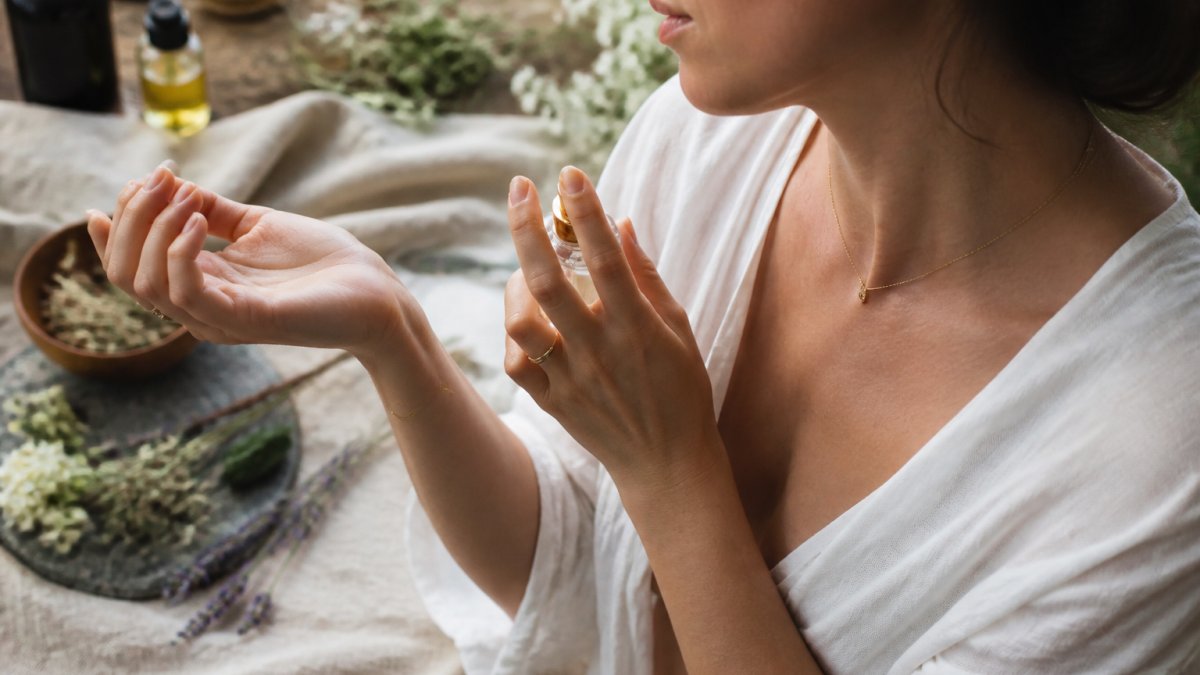
Always patch test on your inner forearm and wait 24 hours before committing to a full bottle, especially if you have sensitive skin or a history of fragrance allergy. The American Academy of Dermatology's guidance on patch testing explains how to do this safely at home.
Climate matters too. In humid weather, natural fragrances bloom faster and fade sooner. In dry cold, they sit closer and last longer. Adjust your spray count by season, not by habit.
Choosing Your Signature Natural Scent at Primrose Essence Atelier
A signature scent should feel like yours within a week, not a season. Before committing, you can read About Us to get to know the brand behind the fragrances. We build our fragrances in small batches from pure organic ingredients, designed to complement your skin. If you have questions or want guidance, reach out via Contact Us.
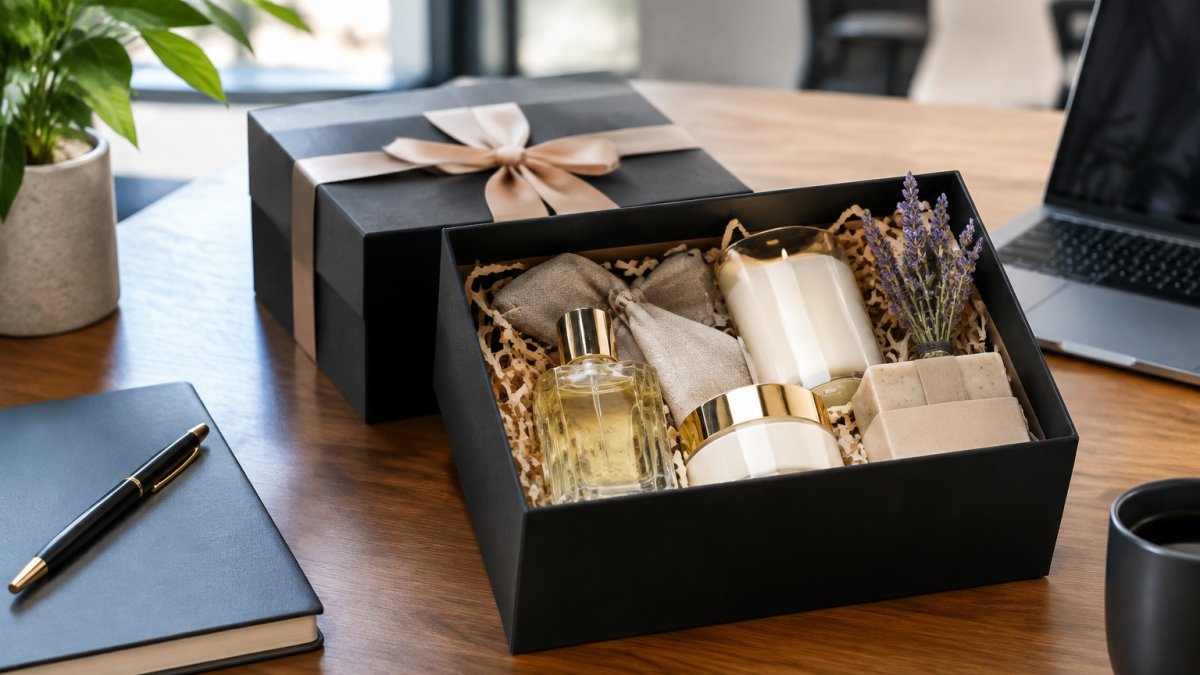
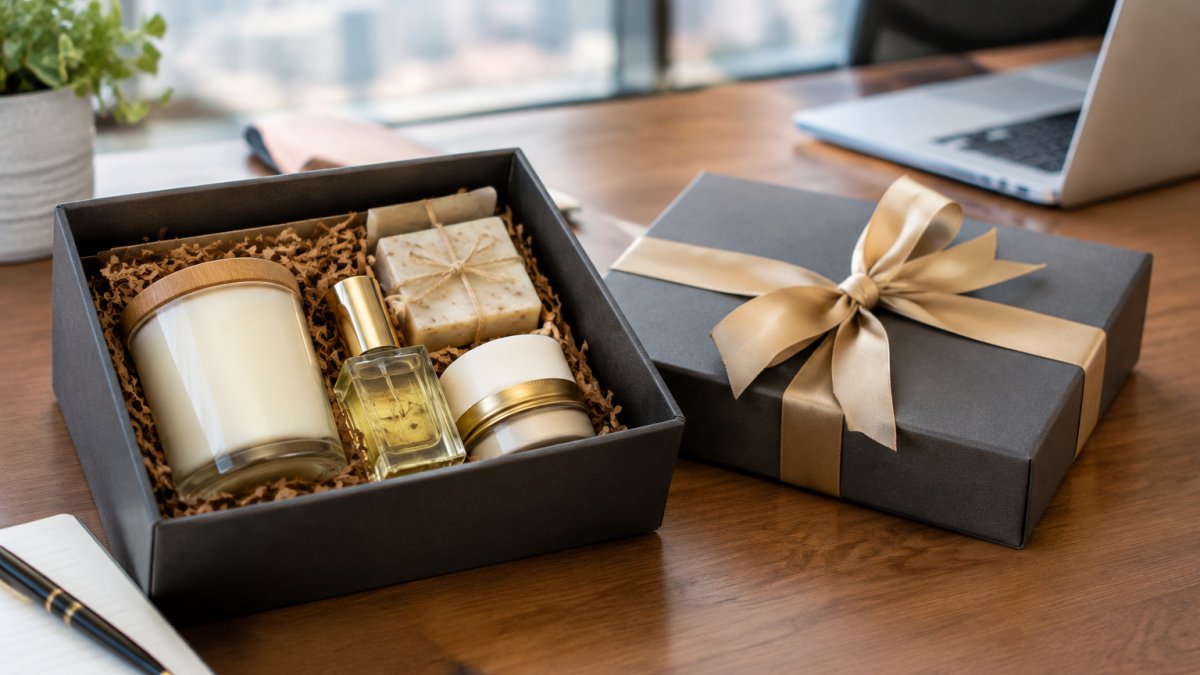
For corporate milestones and client celebrations, we offer personalized gift sets with custom boxes and matching lined ribbons.
Frequently Asked Questions
Do natural perfumes last as long as conventional perfumes?
Natural perfumes often have shorter wear times than synthetic-heavy fragrances because they rely on botanical oils and extracts that evaporate at different rates. Longevity depends on concentration, your skin chemistry, and how you apply it. Layering with a matching lotion and applying to pulse points helps extend wear.
How do I choose a natural perfume for daily wear?
Start by deciding which scent families you enjoy most, such as citrus, floral, woody, or herbal, then look for a fragrance concentration that fits your routine. An eau de parfum offers balanced projection for office and everyday settings, while a perfume oil sits closer to the skin. Check the ingredient list for transparency and patch test on your inner wrist before committing to a full bottle.
What should I look for in a natural perfume's ingredients?
Look for a short, readable ingredient list built around botanical extracts, essential oils, and a carrier such as sugarcane alcohol or jojoba oil. Avoid formulas listing synthetic fragrance, phthalates, parabens, or formaldehyde. If you have sensitive skin, patch test first and ask whether the brand offers fragrance-free or low-allergen options.
Are natural perfumes safe for sensitive skin?
Natural does not automatically mean non-irritating, since essential oils and botanical extracts can still trigger reactions in some people. Choose fragrances with fewer ingredients, avoid known allergens like citrus oils or oakmoss if you have reacted before, and always patch test on a small area for 24 hours.
Finding a natural fragrance that survives a full workday, suits your skin, and still feels special by evening is harder than it looks. Primrose Essence Atelier blends small-batch organic perfumes designed to sit close to the skin and shift with your body heat, plus personalized gift sets with custom boxes and matching lined ribbons for the moments that deserve more than a standard bottle. Get started with Primrose Essence Atelier and find the scent you will actually wear every day.