 ultimate-guide
Why Artisanal Fragrances Cost More: 5 Real Reasons
Quick Summary
Artisanal fragrances cost more because they are made in small batches by hand, so fixed costs like sourcing, labor and packaging are spread across fewer bottles. Natural materials are also scarcer and more variable than synthetic aroma chemicals, and handcrafted production takes time that carries its own cost.
- Small batches spread fixed costs for sourcing, labor and packaging across fewer units.
- Natural materials are scarcer and more variable than synthetic aroma chemicals.
- Each harvest of a natural ingredient can differ from the last.
- Handcrafted production takes time, and that time has a cost.
- Designer fragrances spend heavily on marketing, while artisanal perfumes put more into ingredients and production.
Table of Contents
- What Artisanal Perfume Means
- The Real Reasons Artisanal Fragrances Cost More
- Artisanal vs. Designer Perfume: Where the Money Goes
- Frequently Asked Questions
What Artisanal Perfume Means
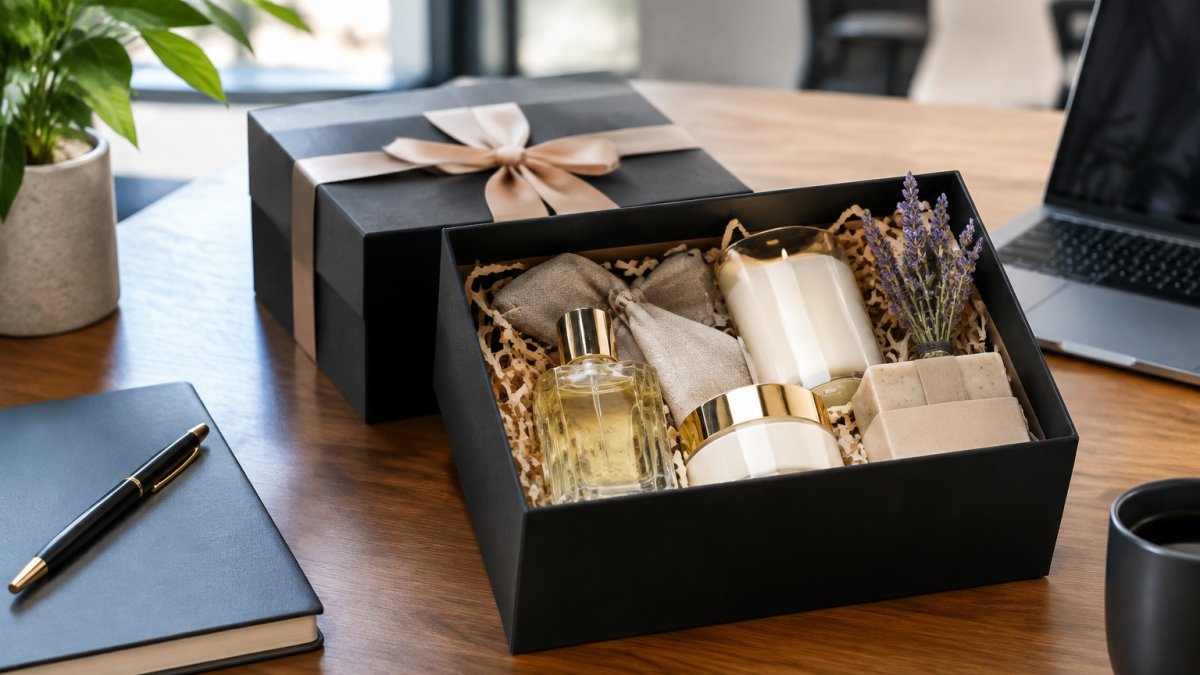
Artisanal perfume is fragrance made in small batches by hand, usually by a single perfumer or a small studio. You can see a complete example in the rose-infused luxury set. The aim is a complete, carefully balanced composition rather than a scent built for mass appeal.
The Real Reasons Artisanal Fragrances Cost More
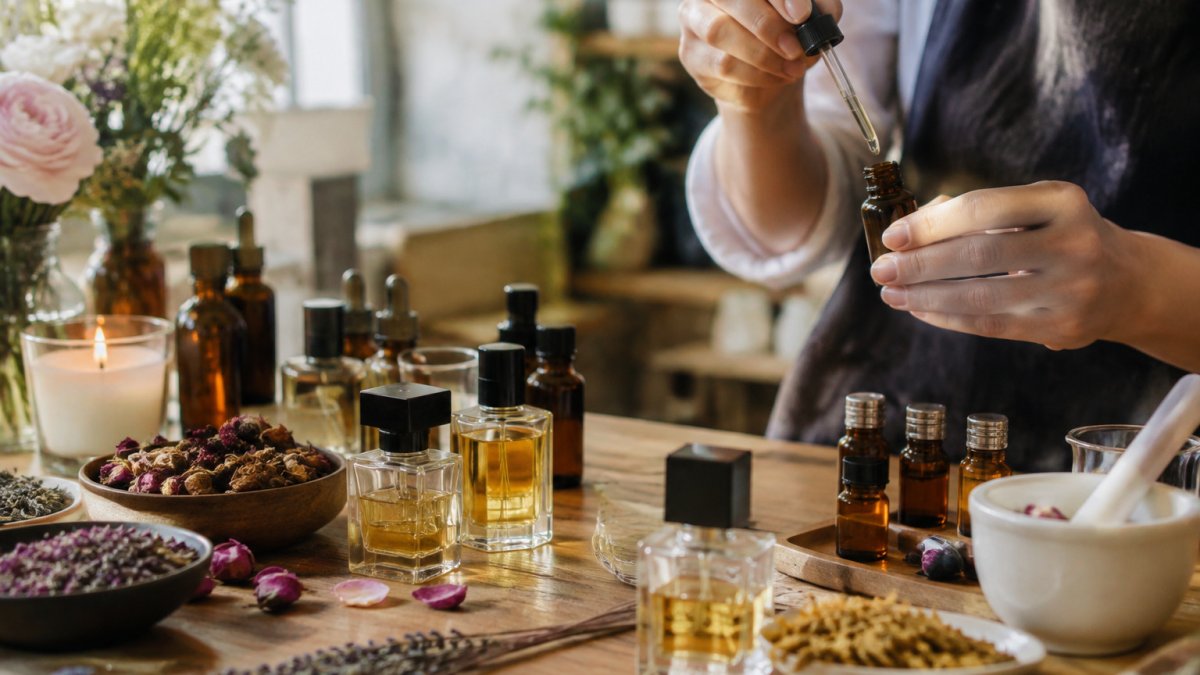
Several factors push artisanal prices above mass-market bottles. Small batches mean fixed costs such as sourcing, labor and packaging are spread across fewer units. Natural materials are often scarcer and more variable than synthetic aroma chemicals, and each harvest can differ. You can even try building a custom blend by choosing your own natural fragrances and proportions. Handcrafted production also takes time, and that time has a cost. For more background on the ingredients and craft, you can read related articles on the blog.
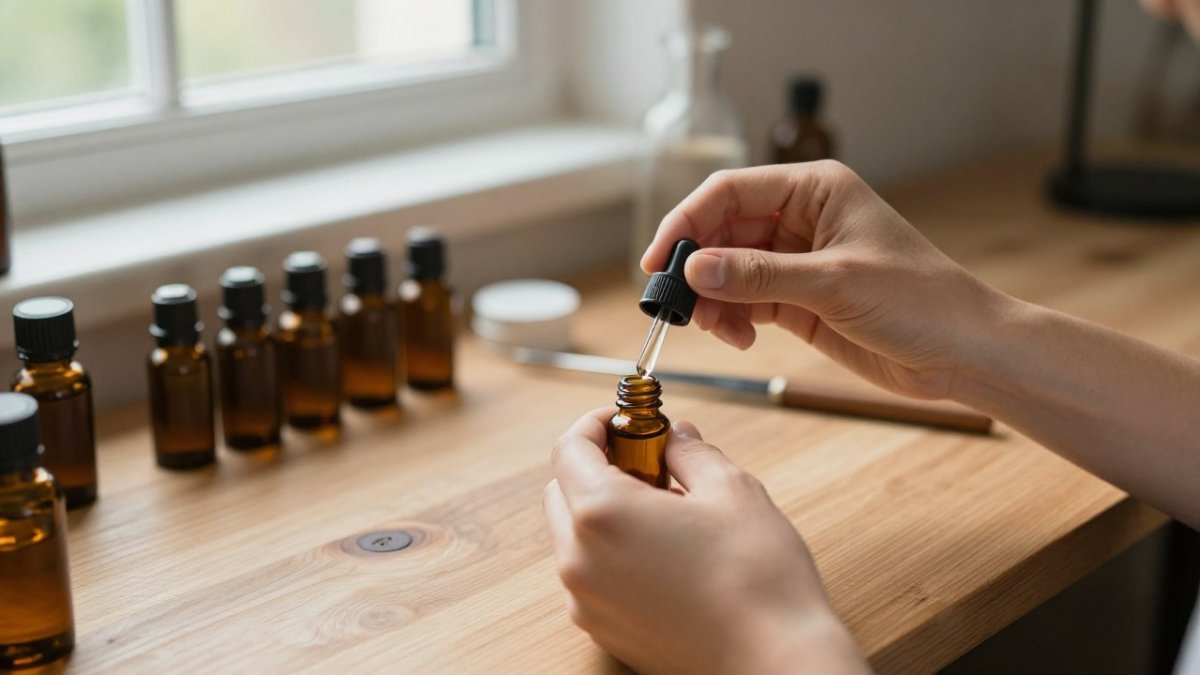
The article names several factors that push artisanal prices higher, summarised below.
| Factor | Why it raises price | Key point |
|---|---|---|
| Small batches | Fixed costs spread across fewer units | Sourcing, labor and packaging |
| Natural materials | Scarcer and more variable than synthetics | Each harvest can differ |
| Handcrafted production | Takes time | Time has a cost |
Artisanal vs. Designer Perfume: Where the Money Goes
Designer fragrances spend heavily on marketing, celebrity campaigns and global distribution. Artisanal perfumes put more of the budget into ingredients and production. You can browse the perfume range to see what these fragrances look like. Pricing depends on quantity, dates and delivery, so check current prices directly with Primrose Essence Atelier before you buy.
Choosing a fragrance is about how it feels on your skin and how it suits your everyday rituals. Explore our perfume range at Primrose Essence Atelier to find a scent that fits.
Frequently Asked Questions
What does artisanal perfume mean?
Artisanal perfume is fragrance made in small batches, usually by an independent perfumer or small studio rather than a large fragrance house. The work is typically more hands-on: ingredients are measured and blended by people rather than mostly through industrial processes, and batches are often limited. The term describes how the perfume is made and sold, not automatically how good it is. Read the brand's own description of its production and ingredient sourcing to see what applies to a specific product.
Do artisanal perfumes use more expensive ingredients?
Sometimes. Some artisanal brands use natural raw materials such as absolutes, resins or certain essential oils, which can be costly, scarce or variable in quality from harvest to harvest. Other artisanal fragrances use many of the same synthetic aroma chemicals as mass-market perfumes. Ingredient cost is only one factor, and it varies by formula. Ask a brand which materials it uses and why, rather than assuming natural means expensive.
Are artisanal fragrances worth the investment?
That depends on what you value. You pay for small-batch production, perfumer time, limited availability and a distinctive scent profile. If you wear fragrance daily and want longevity, compare cost per milliliter and check how long a scent lasts on your own skin. Testing a sample before buying a full bottle is the most reliable way to judge whether the price matches what you will actually notice.